Skip to content

British sport has long operated under an unspoken constraint: the weather sets the terms. For decades, participation, performance, and revenue have been shaped less by ambition than by rainfall, cold snaps, and waterlogged surfaces. Tennis courts sit empty through winter, padel bookings are cancelled by rain, PE lessons are repeatedly moved indoors, and training schedules across football, golf, and community sport are routinely disrupted. But that dynamic is changing. Across clubs, schools, universities, leisure operators, and commercial sports ventures, a clear structural shift is underway. Covered sports facilities, once seen as optional upgrades, are becoming a strategic requirement for growth, resilience, and competitiveness in the UK.
This shift is not driven by novelty or aesthetics. It is driven by economics, participation data, climate volatility, and rising expectations from players and communities. British weather has always been unpredictable, but recent years have intensified that unpredictability, bringing wetter winters, heavier rainfall events, and longer shoulder seasons where outdoor play becomes unreliable. For operators dependent on bookings, memberships, coaching programmes, and facility hire, weather volatility now translates directly into financial volatility. When play stops, revenue stops. Even modest levels of cancellation compound over time, leading to unstable income, declining retention, and pressure on coaching viability. Covered facilities break this cycle by converting inconsistent outdoor assets into dependable, year-round infrastructure.
At the same time, expectations around participation have shifted. Players no longer accept seasonal access as inevitable. Whether at grassroots or elite level, people expect to train, play, and progress year-round. Leisure habits have changed, and individuals are less willing to plan around the forecast or tolerate months of disruption. For clubs and operators, this has raised the stakes. Facilities that cannot offer reliability increasingly lose members, bookings, and relevance to those that can. In tennis and padel, covered courts consistently attract higher winter utilisation and stronger retention. In education, covered multi-sport spaces enable consistent curriculum delivery and unlock additional hire revenue. Across football, golf, and community sport, predictability has become a competitive advantage.
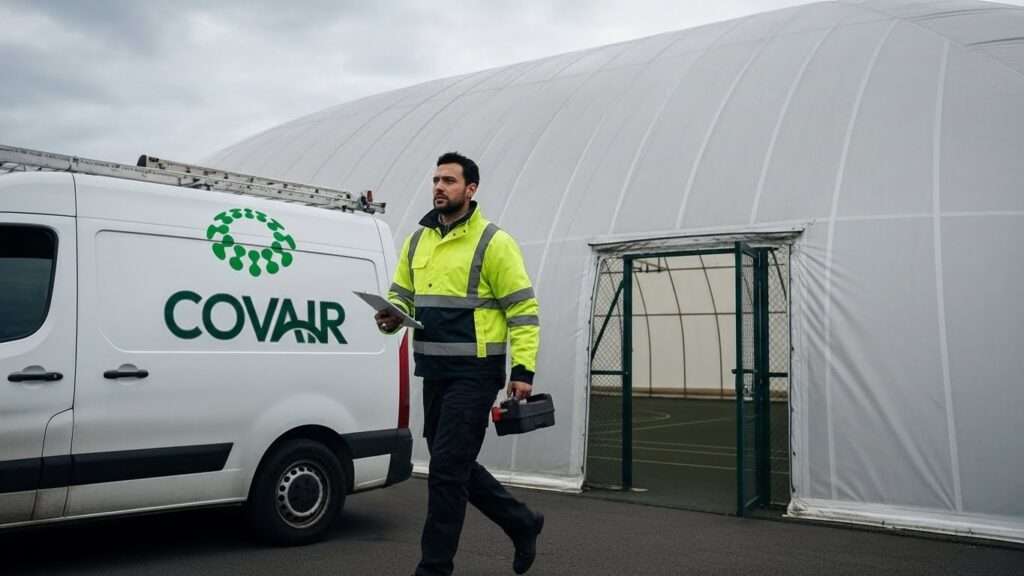
Covair provides a range of services including DomeClean, DomeCare and DomeCycle
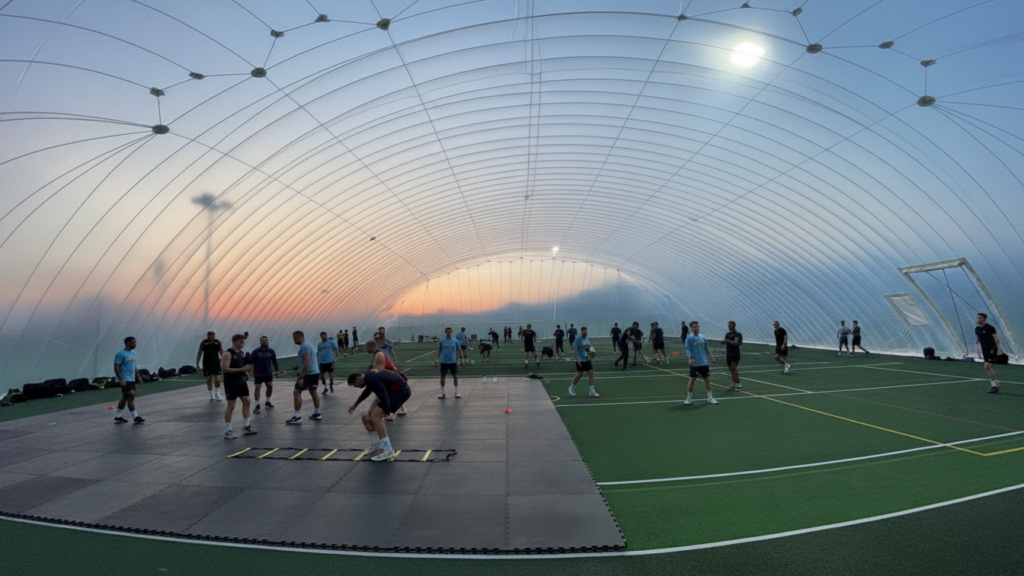
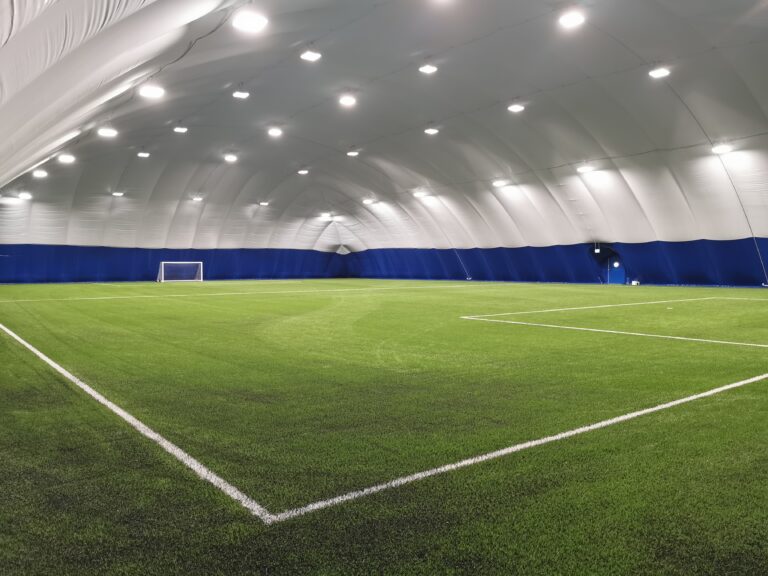
As a result, covered infrastructure is now being embedded into long-term strategic planning. It appears in club development roadmaps, school and university capital projects, local authority participation strategies, private investment models, and consultant-led feasibility studies. The rationale is clear: weather-proofing reduces risk. Predictable booking hours create predictable income. Year-round programming strengthens membership value. Operational planning becomes proactive rather than reactive. Community impact expands as facilities can support youth programmes, disability sport, and inclusive initiatives regardless of conditions. Crucially, covered structures also deliver exceptional flexibility, allowing a single space to support multiple sports, education use, and events within one protected environment.
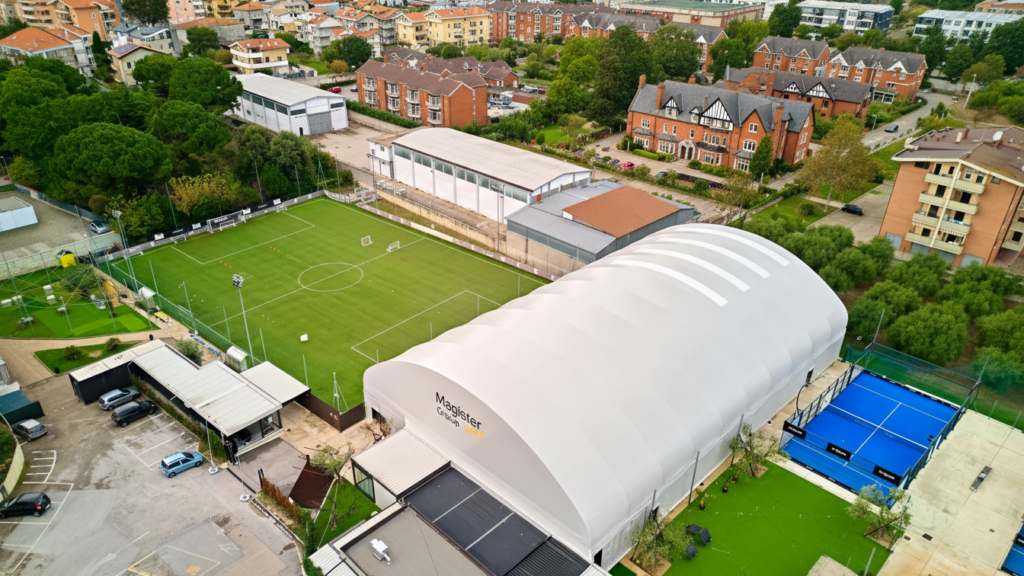
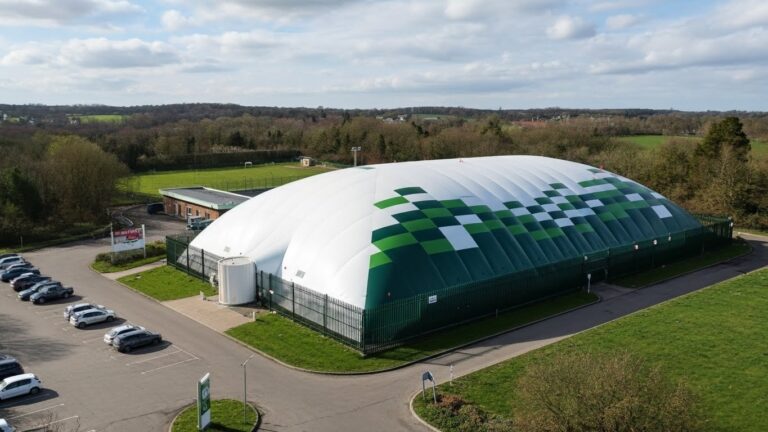
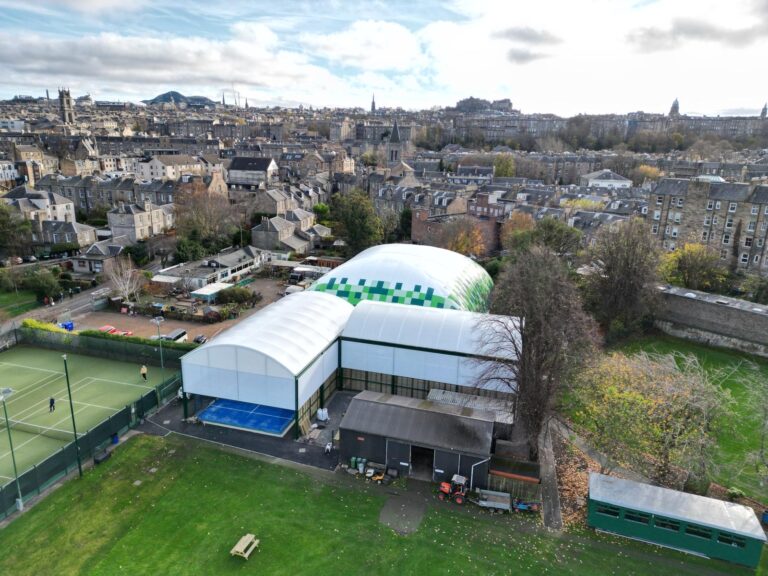
Within this landscape, air-supported and fabric-based structures have emerged as some of the most efficient and adaptable solutions for the UK market. Seasonal systems allow clubs to stabilise winter operations while preserving summer outdoor play. Permanent climate-controlled environments support high-performance training and intensive utilisation. Openable framed structures balance airflow, visibility, and protection, making them particularly effective for padel, education, and spectator-driven sports. Across all formats, the strategic benefit remains the same: reliability. With over four decades of UK-specific engineering expertise and domestic manufacturing capability, Covair operates at the centre of this transition, supporting organisations not just with structures, but with planning, compliance, installation, and long-term performance.
Ultimately, weather-proofing sport is about more than revenue or convenience. It enables consistent participation, safer and more accessible facilities, stronger community connection, and sustainable sporting ecosystems. As Britain continues to prioritise health, activity, and social infrastructure, covered facilities are no longer an optional enhancement; they are foundational. The future of British sport will not be predicted by the forecast. It will be built by those who choose to control it.